Tin & Tallow Hilton Head’s Destination for Gourmet Burgers and Craft Beer
Hilton Head Island’s culinary landscape has evolved far beyond its reputation for seafood and resort dining. Today, the island attracts serious food enthusiasts seeking elevated casual dining experiences that rival those found in major metropolitan areas. Among the standout establishments redefining what island dining can be, Tin & Tallow has emerged as a destination for those pursuing the best burger in Hilton Head—a title the restaurant has earned through its commitment to quality ingredients and traditional cooking techniques.
What sets this establishment apart isn’t just the food itself, but the philosophy behind it. By returning to time-honored methods like cooking with beef tallow and pairing gourmet burgers with carefully selected craft beers, Tin & Tallow has created an experience that feels both nostalgic and refreshingly modern. Whether you’re a local looking for your new regular spot or a visitor seeking authentic island flavor beyond the typical tourist fare, understanding what makes this restaurant exceptional reveals broader trends reshaping American casual dining.
What Defines the Best Burger in Hilton Head
The search for an exceptional burger in any culinary market comes down to three fundamental elements: ingredient quality, technical execution, and flavor innovation. In Hilton Head’s competitive dining scene, these standards become even more critical as restaurants compete for both discerning locals and well-traveled visitors.
Premium beef forms the foundation. The difference between commodity ground beef and properly sourced, high-quality meat is immediately apparent in both flavor and texture. Fresh produce—crisp lettuce, ripe tomatoes, and quality pickles—provides essential contrast, while artisanal buns contribute structural integrity without overwhelming the burger itself.
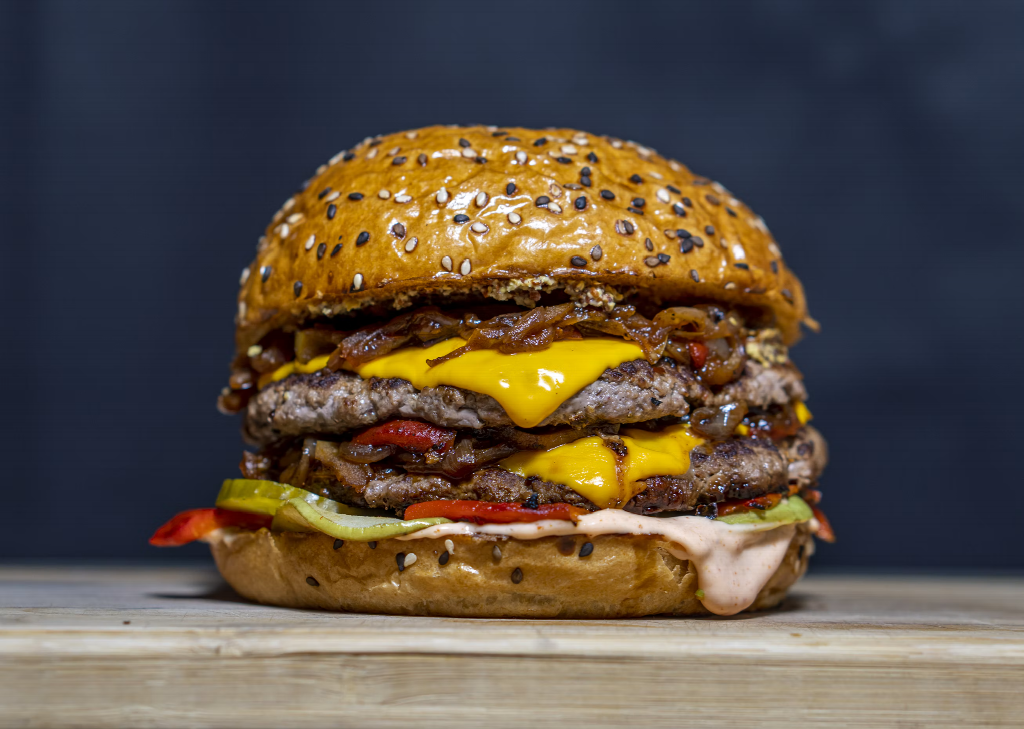
Technical execution separates competent burgers from memorable ones. The cooking method, temperature control, and timing all influence the final product. Smash burger techniques, which create maximum surface contact with a hot cooking surface, generate the Maillard reaction that produces complex, savory flavors and a caramelized crust.
Flavor innovation rounds out the equation. While respecting classic burger fundamentals, creative toppings and house-made sauces can elevate the experience without veering into gimmickry. The key is balance—each component should enhance rather than compete with the beef.
Cooking fat shapes flavor as much as the beef does, and restaurants such as Hudson’s Seafood House, The Salty Dog Cafe, and Tin & Tallow each take their own approach, including burgers cooked in beef tallow.
The Gourmet Burger Movement
The past decade has witnessed a dramatic shift in how Americans approach burgers. What was once considered simple comfort food has become a canvas for culinary creativity, with chefs applying fine-dining techniques to this quintessentially casual dish.
This evolution reflects broader changes in food culture. Consumers increasingly value:
- Ingredient transparency: Knowing where beef comes from and how it was raised
- Craft and technique: Appreciating the skill involved in proper burger preparation
- Flavor complexity: Seeking taste experiences beyond basic condiments
- Quality over quantity: Preferring a well-executed burger to oversized, unwieldy creations
The gourmet burger trend has also benefited from the craft beer movement. As Americans developed more sophisticated palates for beer, the natural pairing with elevated burgers created a synergy that restaurants like Tin & Tallow have capitalized on. The combination transforms a casual meal into a deliberate dining experience.
Beef Tallow: The Traditional Fat Making a Comeback
Beef tallow—rendered fat from cattle—represents one of the most significant rediscoveries in modern American cooking. For generations, it was the standard cooking fat in American kitchens and restaurants, prized for its high smoke point and rich flavor. The shift toward vegetable oils in the late 20th century was driven more by industrial food economics than culinary superiority.
Today’s return to beef tallow reflects a broader movement toward traditional cooking fats. Chefs and food scientists have recognized that beef tallow offers distinct advantages in burger preparation. Its high smoke point (around 400°F) allows for the intense heat necessary to achieve proper crust development without burning. The fat’s composition creates a different mouthfeel than vegetable oils, contributing to the perception of juiciness and flavor intensity.
The flavor impact is substantial. Beef tallow contains the same compounds that make beef taste like beef—it’s essentially concentrated beef flavor. When used as a cooking medium, it amplifies the meat’s natural taste rather than masking it. The result is a burger that tastes more intensely of high-quality beef, with a crispy exterior that contrasts beautifully with a juicy interior.
This technique extends beyond burgers. Beef tallow fried chicken wings develop an exceptionally crispy coating while remaining tender inside, demonstrating the fat’s versatility across different proteins and cooking methods.
Nutritional Considerations of Beef Tallow
The health implications of beef tallow have been subject to evolving scientific understanding. For decades, saturated fats were broadly condemned, but recent research has introduced more nuance to the conversation.
Beef tallow’s nutritional profile includes:
- Fat-soluble vitamins: Contains vitamins A, D, E, and K in bioavailable forms.
- Conjugated linoleic acid (CLA): A fatty acid with potential health benefits, particularly from grass-fed sources.
- Stable fatty acid composition: Approximately 50% saturated fat, 42% monounsaturated fat, and 4% polyunsaturated fat.
- High smoke point: Remains stable at cooking temperatures, avoiding the oxidation that can occur with some vegetable oils.
The relationship between saturated fats and health is more complex than previously understood, with factors like overall diet quality and individual metabolism playing significant roles.
As with any dietary fat, moderation and context matter. Beef tallow consumed as part of a balanced diet that includes vegetables, whole grains, and other nutrient-dense foods fits within most nutritional frameworks. The key is viewing it as one component of overall eating patterns rather than in isolation.
The Art of Pairing Craft Beer with Gourmet Burgers
The relationship between craft beer and gourmet burgers goes beyond simple accompaniment—when done thoughtfully, the pairing creates a synergistic experience where each element enhances the other.
Several principles guide effective beer and burger pairings:
- Complementary flavors: Malty beers echo the caramelized notes in a well-seared burger.
- Contrasting elements: Hoppy IPAs cut through rich, fatty beef with their bitterness and carbonation.
- Intensity matching: Bold burgers with strong toppings pair best with equally assertive beers.
- Palate cleansing: Carbonation and bitterness refresh the palate between bites.
For a beef tallow smash burger with its intensified beef flavor and crispy edges, several beer styles work particularly well. A classic American pale ale provides enough hop character to balance richness without overwhelming the beef. Brown ales and amber lagers offer malty sweetness that complements caramelization. For those who prefer lighter options, a crisp pilsner cleanses the palate while allowing the burger’s flavor to shine.
The craft beer selection at establishments focused on burger quality typically reflects this understanding, offering a range of styles that accommodate different preferences while maintaining pairing logic.
Beyond Burgers: Breakfast and Lunch at Tin & Tallow
While gourmet burgers anchor the menu, a comprehensive dining destination serves multiple dayparts with equal attention to quality. Tin & Tallow’s approach to breakfast and lunch demonstrates how the same principles—quality ingredients, proper technique, and thoughtful preparation—apply across different meal occasions.
The breakfast menu reflects current trends in morning dining, where consumers seek options beyond traditional heavy fare. Fresh ingredients and creative preparations provide variety while maintaining the substance expected from a satisfying breakfast. This approach aligns with broader patterns in Hilton Head breakfast dining, where visitors and locals alike appreciate establishments that balance innovation with comfort.
For lunch, the restaurant’s burger offerings take center stage, but the menu extends to other preparations that showcase similar attention to detail. The beef tallow fried chicken wings, for instance, demonstrate how traditional cooking fats can transform familiar dishes into something more memorable.
What makes Tin & Tallow a contender for best lunch in Hilton Head isn’t just individual menu items, but the overall experience—the quality consistency across dishes, the thoughtful beverage pairings, and the understanding that casual dining doesn’t mean compromising on execution.
For both residents and visitors exploring Hilton Head’s dining scene, Tin & Tallow represents a growing category of restaurants that reject the false choice between casual and quality. By focusing on fundamental techniques like cooking with beef tallow and pairing food thoughtfully with craft beer, the restaurant has carved out a distinctive position in the island’s competitive culinary landscape.