
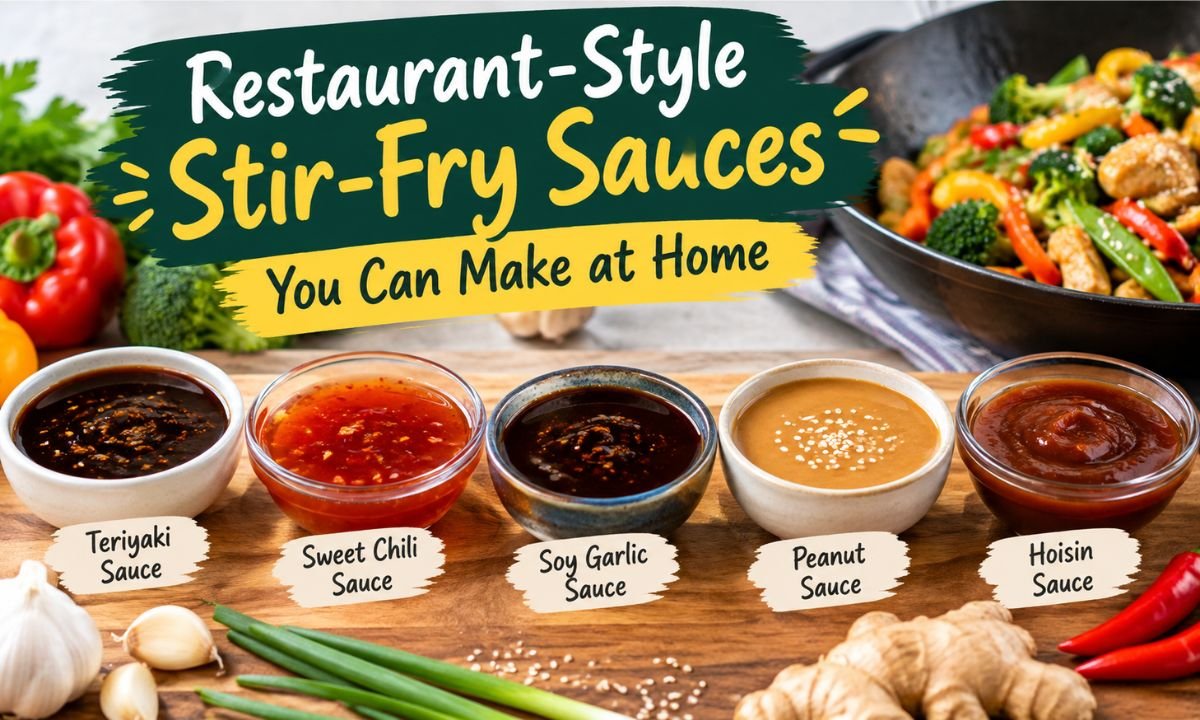
Restaurant-Style Stir-Fry Sauces You Can Make at Home
There is something especially satisfying about a restaurant-style stir-fry sauces. The vegetables stay crisp, the meat is tender, and everything is coated in a glossy sauce that brings together several different flavors in every bite. While restaurant cooks often work with high heat and carefully prepared ingredients, the sauce is one of the biggest reasons a simple combination of vegetables, protein, and noodles or rice can taste so impressive.
The good news is that you do not need complicated ingredients or professional kitchen equipment to create flavorful sauces at home. A handful of pantry staples can be combined in different ways to produce sauces that are sweet, savory, spicy, tangy, or deeply umami. Once you understand how those flavors work together, you can adjust homemade recipes according to the ingredients you have and the type of meal you want to create.
For many home cooks, the key is having a reliable base sauce that can be customized. A good stir fry sauce should complement the main ingredients instead of overpowering them. Soy sauce can provide saltiness and umami, while ingredients such as rice vinegar, ginger, garlic, sesame oil, honey, brown sugar, chili, or citrus can add layers of flavor. Cornstarch can also help create the smooth, glossy consistency associated with many restaurant dishes.
What Makes a Restaurant-Style Stir-Fry Sauce So Good?
The best sauces rarely rely on just one dominant flavor. Instead, they create contrast. Saltiness gives the sauce depth, sweetness rounds out stronger flavors, acidity adds brightness, and aromatics provide character. A touch of heat can make everything more interesting without necessarily making the dish extremely spicy.
Umami is another important part of the equation. Soy sauce, mushrooms, miso, oyster sauce, and certain fermented ingredients can add a rich savory quality that makes a stir-fry taste more substantial. You do not need to use all of these ingredients at once. Choosing two or three complementary flavors is often enough.
Texture matters, too. A sauce that is too thin may slide off the food, while one that is overly thick can make the dish heavy. A small amount of cornstarch mixed with cold water creates a slurry that can be added near the end of cooking to give the sauce a silky finish.
A Versatile Everyday Stir-Fry Sauce
This is a useful starting point when you want one sauce that works with chicken, beef, shrimp, tofu, or vegetables. It has a balanced combination of salty, sweet, savory, and slightly tangy flavors.
Ingredients
- 1/4 cup low-sodium soy sauce
- 2 tablespoons water
- 1 tablespoon rice vinegar
- 1 tablespoon honey or brown sugar
- 1 teaspoon toasted sesame oil
- 1 teaspoon freshly grated ginger
- 1 garlic clove, finely minced
- 1 teaspoon cornstarch
- 1 tablespoon cold water
Instructions
Whisk the soy sauce, 2 tablespoons of water, rice vinegar, honey, sesame oil, ginger, and garlic together in a small bowl. In a separate container, mix the cornstarch with 1 tablespoon of cold water until smooth.
Cook your protein and vegetables in a hot skillet or wok. Once they are nearly finished, pour in the sauce mixture and toss everything together. Add the cornstarch slurry and continue cooking for about one to two minutes, stirring frequently. The sauce should thicken slightly and coat the ingredients with a glossy finish.
For a stronger ginger flavor, add a little extra fresh ginger at the end. If you prefer more sweetness, increase the honey slightly.
Sweet and Savory Garlic Sauce
A garlic-forward sauce is excellent when you want a comforting stir-fry with plenty of savory character. The sweetness helps soften the sharpness of the garlic while soy sauce provides a deeper base.
Ingredients
- 1/4 cup soy sauce
- 2 tablespoons water
- 1 tablespoon honey
- 1 tablespoon rice vinegar
- 3 garlic cloves, minced
- 1 teaspoon grated ginger
- 1 teaspoon sesame oil
- 1 teaspoon cornstarch mixed with 1 tablespoon cold water
Instructions
Combine everything except the cornstarch slurry. Add the sauce to your cooked protein and vegetables and let it simmer briefly. Stir in the slurry and cook until the sauce thickens.
This version works particularly well with broccoli, bell peppers, mushrooms, carrots, chicken, or thinly sliced beef. Serve it over steamed rice to absorb any extra sauce.
Spicy Chili-Ginger Sauce
If you enjoy a little heat, chili and ginger can turn an ordinary stir-fry into something much more exciting. The trick is to balance the spice with sweetness and acidity rather than simply adding more chili.
Ingredients
- 1/4 cup soy sauce
- 2 tablespoons water
- 1 tablespoon honey
- 1 tablespoon rice vinegar
- 1 teaspoon chili garlic sauce
- 1 teaspoon grated ginger
- 1 garlic clove, minced
- 1/2 teaspoon sesame oil
- 1 teaspoon cornstarch mixed with 1 tablespoon cold water
Instructions
Whisk the ingredients together and taste before adding the sauce to the pan. If you want more heat, increase the chili garlic sauce gradually.
Add the sauce to your cooked ingredients and toss over medium-high heat. Stir in the cornstarch slurry and continue cooking until the sauce lightly coats everything.
This sauce pairs especially well with shrimp, chicken, tofu, green beans, cabbage, and bell peppers.
Tangy Citrus Stir-Fry Sauce
Citrus can give a stir-fry a fresher flavor while cutting through richer ingredients. Orange is particularly useful because its natural sweetness works beautifully with soy sauce and ginger.
Ingredients
- 1/4 cup soy sauce
- 2 tablespoons fresh orange juice
- 1 tablespoon rice vinegar
- 1 tablespoon honey
- 1 teaspoon grated orange zest
- 1 teaspoon grated ginger
- 1 garlic clove, minced
- 1 teaspoon cornstarch mixed with 1 tablespoon cold water
Instructions
Mix the ingredients together and set aside while preparing the rest of the meal. Once the protein and vegetables are cooked, add the sauce to the pan. Bring it to a gentle simmer, then add the cornstarch mixture.
Cook for another minute or two until the sauce becomes glossy. The result is bright, slightly sweet, tangy, and savory.
Try it with chicken, shrimp, carrots, broccoli, snow peas, or cashews.
How to Balance the Five Main Flavors
Creating your own sauces becomes much easier when you think in terms of flavor categories.
Salty: Soy sauce is the most common starting point, but miso and other savory fermented ingredients can also contribute salt and depth.
Sweet: Honey, brown sugar, maple syrup, or a small amount of fruit juice can provide sweetness. Start with a modest amount and add more if needed.
Savory: Garlic, ginger, mushrooms, sesame oil, miso, and oyster sauce can add richness and umami.
Spicy: Chili garlic sauce, red pepper flakes, fresh chilies, or chili oil can introduce heat. Add gradually because spice becomes more noticeable as the sauce cooks.
Tangy: Rice vinegar, lime juice, lemon juice, or citrus can brighten the entire dish. A small amount can make a heavy sauce taste much fresher.
The goal is not necessarily to make every flavor equally strong. Instead, one or two flavors can lead while the others provide support.
Tips for Getting That Restaurant-Style Finish
Start with a properly heated pan. Stir-frying works best when the cooking surface is hot enough to quickly sear ingredients without allowing them to release too much moisture.
Avoid overcrowding the pan. If too many ingredients are added at once, they can steam rather than brown. Cooking protein and vegetables in batches can make a noticeable difference.
Add sauce toward the end of cooking. Most stir-fry sauces do not need to cook for a long time. A short period over high heat allows the sauce to cling to the ingredients while keeping vegetables from becoming overly soft.
Do not add too much sauce at once. It is easier to add another spoonful than to fix a dish that has become excessively salty or watery. Start with enough to coat the ingredients and add more if necessary.
Finally, taste before serving. If the sauce seems too salty, a little water or acidity can help. If it tastes too sharp, add a small amount of sweetness. If it seems flat, try a splash of vinegar, a little ginger, or a touch of sesame oil.
Turning One Sauce Into Several Different Meals
The beauty of homemade stir-fry sauces is their flexibility. The same basic sauce can create completely different meals depending on what you put in the pan.
For a quick chicken dinner, combine sliced chicken with broccoli, carrots, and bell peppers. For a seafood version, use shrimp with snap peas and cabbage. Tofu works well with mushrooms, bok choy, and green onions. You can also turn leftover vegetables into a completely new meal by tossing them with noodles and a freshly mixed sauce.
Rice and noodles are especially useful because they help absorb the sauce. Garnishes such as sliced green onions, toasted sesame seeds, crushed peanuts, fresh cilantro, or thinly sliced chilies can provide additional texture and flavor.
Make-Ahead Sauce for Easier Weeknight Cooking
Homemade sauces can also make busy evenings easier. Prepare a larger batch of your favorite sauce, transfer it to a clean airtight container, and refrigerate it for short-term use. Give it a good stir before cooking because ingredients such as cornstarch can settle.
For the best results, you can leave the thickener out when preparing the sauce ahead of time and add a fresh cornstarch slurry during cooking. This gives you more control over the final consistency.
Having a sauce ready to go means dinner can come together quickly. Simply cook your chosen protein, add vegetables, pour in the sauce, and finish everything over high heat.
Final Thoughts
Restaurant-style stir-fry does not have to depend on a complicated recipe. The secret is understanding how a few simple ingredients work together. Once you learn how to balance salty, sweet, savory, spicy, and tangy flavors, you can create sauces that suit everything from a quick vegetable dinner to a more substantial chicken, beef, shrimp, or tofu meal.
Start with a dependable base, adjust the flavors to your preference, and experiment with different combinations. A little ginger can make a sauce brighter, citrus can add freshness, chili can bring excitement, and a touch of sweetness can tie stronger flavors together. With a few homemade sauces in your cooking routine, everyday stir-fries can become flavorful, flexible meals that rival the appeal of your favorite takeout.