Buying Disposable Cutlery in Bulk What Food Trucks, Caterers, and Meal-Prep Cooks Should Check First
Picture the Saturday lunch rush at a brewery food truck. Burgers and loaded bowls fly out the window. The line keeps growing, and then someone shouts that the forks are gone.
Whether you run a meal-prep side hustle, cater friends’ weddings, or host big game-day parties, utensils add up fast. Buying in bulk saves trips and money. But one cheap case of flimsy forks can ruin a really great meal. A few minutes of planning prevents that.
We’ll focus on wooden cutlery here, since it’s a popular swap for plastic. Here’s what to check before you commit to a big order, from durability and finish to storage.
Start With Your Menu, Not the Price Tag
The right utensil depends on what people are eating. A spoon that handles soft serve may snap in a dense grain bowl.
- Food truck mains: Burgers come handheld, but sides like slaw and salads still need a sturdy fork.
- Meal-prep containers: Customers often eat at desks, so one reliable fork or spoon per meal works.
- Catered buffets: Guests cut meat while balancing plates, so knives need a usable edge.
- Kids’ menus: Smaller spoons suit little hands and soft-serve cups.
- Parties and game days: Short spoons suit dips, chili cups, and desserts.
A truck like Hodgepodge, the Fit Foodie Finds truck, serves burgers, shareables, and soft serve from one window. A menu that wide shows why one utensil rarely fits every dish.
Check Durability and Food Suitability
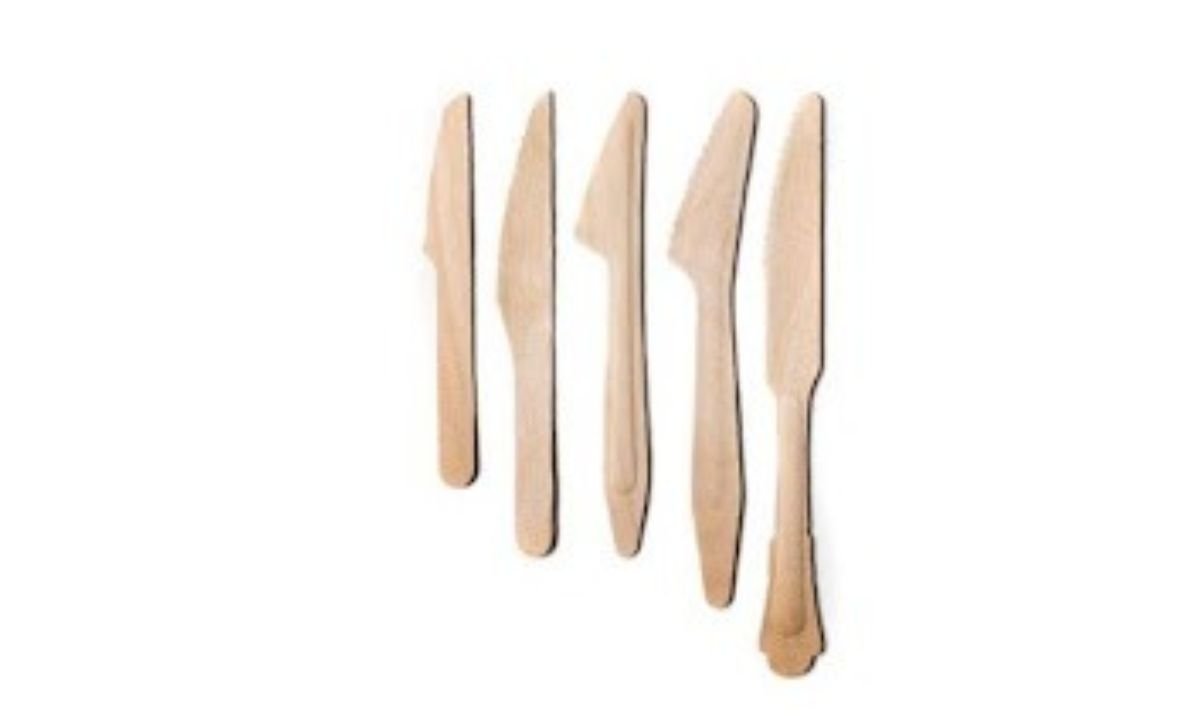
Wooden cutlery is usually made from birch or bamboo. Birch shows up often because it is light, strong, and easy to shape.
Supplier pages make a good starting point. The Ancheng disposable cutlery range, for example, uses birch and bamboo, and the company offers free sample trials. That makes side-by-side testing easy before any bulk commitment.
A Simple Sample Test
Grab a few samples from each supplier and put them through a real service.
- Press test: Push a fork into a firm roasted potato. It shouldn’t bend or crack.
- Soak test: Leave a spoon in hot soup for ten minutes. Check whether it softens.
- Scoop test: Dig into cold, thick yogurt. Watch the spoon’s neck for strain.
- Cut test: Slice a cooked chicken breast. Count how many strokes the knife needs.
Use your actual menu items for every test. A fork that handles salad might still struggle with a thick burger patty. Ask friends or regulars for blunt feedback during a tasting night.
Look Closely at Surface Finish
Run your thumb along every edge. Good wooden cutlery feels smooth, with no fuzz, splinters, or sharp corners.
Many makers add a coating or polish. Ancheng’s page mentions a food-grade wax and surface treatment. Ask any supplier what the coating is, and request its food contact documentation.
Consistency between bags matters too. A great first sample means little if the tenth case feels rough.
In the U.S., the FDA regulates substances that come into contact with food, including those in containers and cookware. Its FDA ingredients and packaging hub is a useful starting point for those questions.
Quick finish checks for every sample bag:
- Colour looks consistent across the batch.
- The bag has no strong smell when opened.
- Tines are clean and even, with no broken tips.
Think Through Packaging and Order Size
Bulk cutlery usually arrives loose in bags or individually wrapped. Each format suits a different setup.
- Loose packs: These cost less per piece and use less packaging. They suit self-serve caddies and family events.
- Wrapped kits: These work better for takeaway and meal-prep bags. Each guest gets a clean, covered set. Wrapped kits cost more, but they can speed up a busy takeaway line.
If you prep weekly meals for clients, match utensils to the dishes you cook most. A rotation of healthy meal prep recipes might need both forks and spoons in the same week.
Order size is the next question. Ancheng describes its minimum order policy as flexible when no customisation is needed. Branded or custom orders may carry different terms, so ask before quoting prices to clients.
Estimate How Much You Actually Need
Running out mid-event is stressful, but over-ordering ties up cash and shelf space. A little math keeps both in check.
- Count expected guests or meals, then add a buffer for drops and second helpings.
- Plan more than one piece per person when menus include soup and a main.
- Check last month’s usage if you already run a truck or meal-prep service.
- Split very large orders into scheduled deliveries if storage is tight.
Write your numbers down after each event. Within a few months, you’ll have a reliable baseline for reordering.
Store It Right So It Stays Clean
A great product can still fail if it sits in a damp corner. Storage matters as much as quality.
Food codes set clear expectations here. Minnesota’s food code storage rules require single-service items to sit in a clean, dry spot. They also call for at least six inches of floor clearance, with exceptions for closed packages on approved racks.
- Keep cartons sealed until you need them.
- Store cases away from dish pits, steam, and prep sinks.
- Rotate stock so older cases get used first.
- Refill caddies by touching handles only, never the eating ends.
Truck kitchens get hot and humid during service. Keep reserve cases somewhere cooler and drier when possible.
Verify Claims Before You Repeat Them
If you plan to tell customers your cutlery is certified, check first. The UK government’s guide to checking timber certificates explains how to confirm FSC or PEFC claims. It also warns that certified suppliers can still sell non-certified products.
The same caution applies to words like “compostable.” Ask for documentation, and only repeat what you can prove. Also confirm whether any wrapper contains plastic before calling a kit plastic-free. Your customers trust what you tell them, so keep it accurate.
Conclusion
Bulk cutlery is a behind-the-scenes choice that guests notice only when it goes wrong. Start with your menu, then test samples against your toughest dishes.
Check the finish, confirm coatings, and pick packaging that suits your service style. Store cases clean and dry, and verify claims before sharing them. Track usage after each event so reorders get easier.
Got a big event or a new meal-prep menu coming up? Run a test lunch with your samples first, then order with confidence.