The Coconut Acai Base A Fusion Cuisine Adventure Worth Taking
Food trends rise and fall with the seasons, but certain ingredients transcend the hype cycle to become genuine staples in adventurous kitchens. The coconut acai base has quietly earned that status—a creamy, vibrant blend that marries the tropical richness of coconut with the tart complexity of acai berries. For those who treat their kitchens as laboratories for flavor, this ingredient offers a rare combination: nutritional density and culinary versatility.
Fusion cuisine thrives on unexpected pairings, and the coconut acai base delivers exactly that. It serves as both foundation and canvas, equally at home in a breakfast bowl as it is in a chilled dessert. What makes it compelling isn’t novelty alone—it’s the way it bridges health-conscious eating with genuine flavor exploration.
The Nutritional Case for Acai
Acai berries have earned their reputation through substance, not marketing. These deep purple fruits from the Amazon rainforest pack an unusually high concentration of anthocyanins, the same antioxidant compounds that give blueberries and red wine their health credentials. Acai’s antioxidant capacity is among the highest of any fruit.
Beyond antioxidants, acai berries deliver healthy omega fats, fiber, and trace minerals. These nutrients support cardiovascular function, aid digestion, and provide sustained energy without the crash of simple sugars. The berry’s nutritional profile explains why it has moved from niche health food stores to mainstream grocery aisles over the past decade.
Choosing Your Coconut Milk
The quality of your coconut milk determines whether your acai base achieves the right texture and flavor balance. Not all canned coconut milk performs equally, and the differences matter more than you might expect.
- Read the ingredient list: The best options contain only coconut extract and water, sometimes with guar gum as a stabilizer. Avoid products with added sugars, preservatives, or thickening agents beyond minimal stabilizers.
- Fat content matters: Full-fat coconut milk creates the creamy consistency that makes acai bowls satisfying. Light versions produce watery results that no amount of blending can fix.
- Consider the source: Organic coconut milk typically offers cleaner flavor and avoids the metallic notes that sometimes appear in conventional products. The difference becomes noticeable in simple preparations where coconut plays a starring role.
- Test before committing: Brands vary significantly in thickness and flavor. There are measurable differences in fat separation, sweetness, and coconut intensity across major brands.
Building the Perfect Bowl
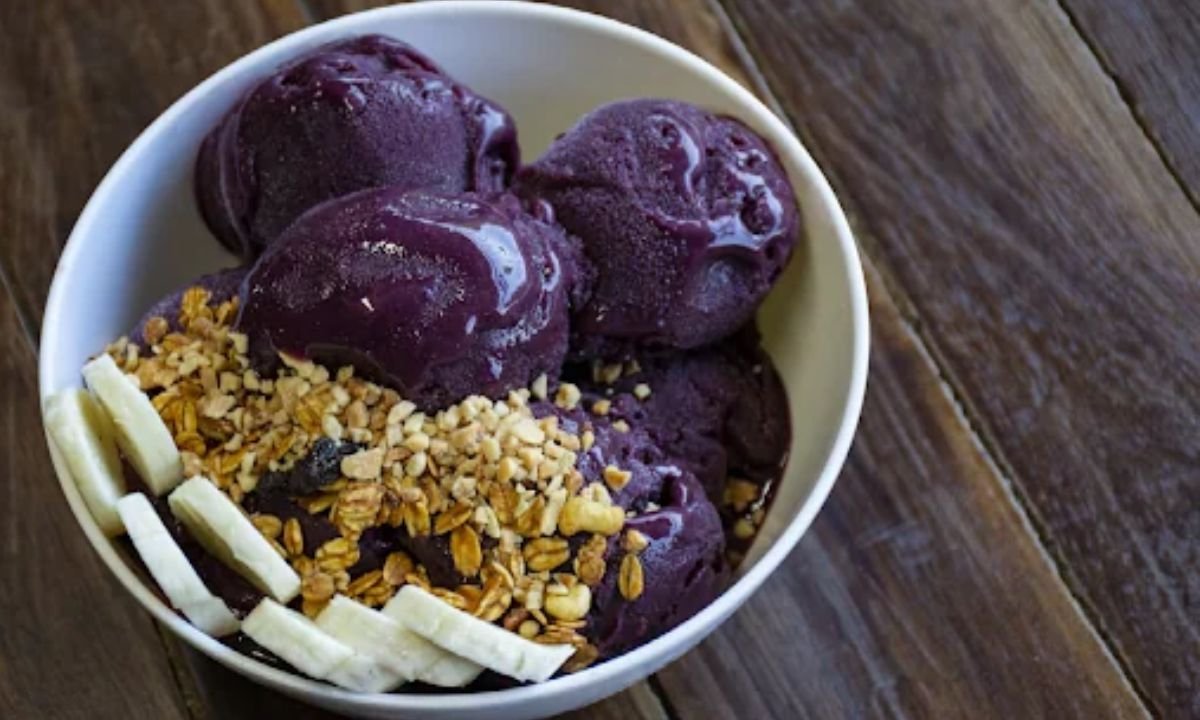
Creating a coconut acai bowl requires more technique than most smoothie preparations. The goal is a thick, spoonable consistency that holds toppings without turning soupy—a texture closer to soft-serve than a drinkable smoothie.
- Start with frozen acai: Use unsweetened acai puree packets, broken into chunks. Frozen fruit is non-negotiable for achieving the right thickness.
- Add minimal liquid: Combine acai chunks with just enough coconut milk to allow blending—typically 1/4 to 1/3 cup for a single serving. Less liquid creates a thicker base.
- Include a frozen banana: Half a frozen banana adds natural sweetness and improves texture without diluting the acai flavor.
- Blend in stages: Pulse first to break down frozen chunks, then blend continuously, using a tamper if your blender has one. Stop as soon as the mixture becomes smooth.
- Adjust thoughtfully: If the base won’t blend, add coconut milk by the tablespoon. If it’s too thin, add more frozen fruit rather than ice, which waters down flavor.
The difference between a mediocre acai bowl and an excellent one often comes down to patience during blending and restraint with liquid additions.
Toppings That Actually Matter
Toppings transform a simple acai base into a complete meal, but the choices you make affect both nutrition and eating experience. Strategic layering creates textural contrast and prevents the common mistake of turning a healthy bowl into a sugar bomb.
- Fresh fruit: Sliced strawberries, blueberries, and kiwi add vitamins and natural sweetness. Avoid canned or syrup-packed fruit, which introduces unnecessary sugar.
- Nuts and seeds: Almonds, walnuts, hemp seeds, and chia seeds contribute protein, healthy fats, and satisfying crunch. Toast nuts briefly to intensify flavor.
- Quality granola: Choose granola with minimal added sugar and whole grain oats. Many commercial granolas contain as much sugar as candy—check labels carefully.
- Coconut flakes: Unsweetened coconut flakes reinforce the base’s coconut notes and add textural variety. Lightly toasting them brings out natural oils.
- Minimal sweetener: If you need additional sweetness, a light drizzle of raw honey or pure maple syrup works better than refined sugar or agave nectar.
The best topping combinations balance creamy, crunchy, and fresh elements without overwhelming the acai base itself.
Beyond the Bowl: Fusion Applications
The coconut acai base extends well beyond breakfast bowls when you approach it as a culinary ingredient rather than a single-use product. Its thick consistency and balanced flavor profile make it adaptable to various preparations that blur traditional meal categories.
- Layered parfaits: Alternate coconut acai base with Greek yogurt and tropical fruits like mango or passion fruit. The contrast between tart yogurt and sweet acai creates complexity.
- Frozen desserts: Spread the base thin on a parchment-lined sheet, freeze completely, then break into bark-like pieces. Top with dark chocolate and sea salt for a sophisticated frozen treat.
- Chia pudding hybrid: Mix the base with chia seeds and refrigerate overnight. The result combines acai’s antioxidants with chia’s omega-3s and fiber.
- Smoothie popsicles: Pour the base into molds with whole berries and freeze. These work particularly well for summer entertaining or as a healthier dessert option.
- Global flavor pairings: The base accepts bold additions like fresh ginger, lime zest, matcha powder, or cardamom. These combinations push beyond typical acai bowl territory into genuine fusion cuisine.
Restaurants experimenting with modern fusion cuisine have begun incorporating acai into savory applications as well, though sweet preparations remain most common in home kitchens.
Why This Ingredient Deserves Your Attention
The coconut acai base represents something increasingly rare in food trends: an ingredient that delivers on both health claims and culinary potential. It doesn’t require you to choose between nutrition and flavor, or between convenience and quality.
For home cooks looking to expand their repertoire, the base offers several advantages. It’s forgiving enough for beginners yet versatile enough to keep experienced cooks engaged. The ingredient list remains simple and recognizable. Preparation takes minutes, not hours. And the results photograph well, which matters in an era when food often serves social as well as nutritional purposes.
Frozen coconut acai bowl bases from brands like Sambazon, Acai Exotic, and Açaí Roots have simplified the process by pre-blending the coconut and acai, though making your own from scratch remains straightforward for those who want complete control over ingredients.
The broader appeal lies in how the coconut acai base fits into contemporary eating patterns. It works for various dietary approaches—vegan, paleo, gluten-free, dairy-free—without requiring special modifications. It satisfies both the health-conscious and the flavor-focused, a combination that explains its staying power beyond initial trend status.
Whether you approach it as a nutritional upgrade to your breakfast routine or as a new ingredient for culinary experimentation, the coconut acai base rewards attention. It’s one of those rare food items that manages to be both genuinely good for you and genuinely enjoyable to eat—a balance worth seeking in any kitchen.